How Do You Know If a Water Leak Requires Immediate Attention?
Not every water leak starts as a major plumbing emergency. A dripping tap, damp patch or small leak under a sink may initially seem like a minor inconvenience. However, some leaks can quickly cause significant water damage, increase water usage and create safety risks if they are not addressed.
Knowing when a leak requires immediate attention can help you take appropriate action before the problem becomes more serious.
Whether the issue involves a burst pipe, leaking fixture, concealed pipework or a drainage problem, the key is recognising the warning signs and knowing when to contact a professional plumber.
What Makes a Water Leak an Emergency?
A water leak generally requires immediate attention when it is causing significant water loss, property damage or a potential safety hazard.
For example, a burst pipe can release a large amount of water in a short period. Water escaping behind a wall or underneath flooring can also cause damage that may not be immediately visible.
A leak can be particularly urgent when:
- Water is flowing rapidly and cannot be stopped
- There is flooding inside the property
- Water is reaching electrical equipment or outlets
- A pipe has burst
- Water is damaging walls, ceilings or flooring
- A concealed leak is causing significant dampness
- Contaminated or foul-smelling water is involved
- The source of the leak cannot be identified or controlled
When a leak is worsening or causing significant damage, prompt plumbing assistance can help limit the consequences.
1. A Burst Pipe Needs Immediate Attention
A burst pipe is one of the clearest examples of a plumbing emergency.
A damaged pipe can release a substantial amount of water, potentially flooding parts of a property within a short period. The longer the water continues to escape, the greater the potential for damage to flooring, walls, cabinetry and other building materials.
If it is safe to do so, turn off the water supply to the affected fixture or the property's main water supply.
You should then arrange professional plumbing assistance as soon as possible.
2. Water Near Electrical Equipment Is a Serious Concern
Water and electricity can create a dangerous situation.
If a leak is occurring near power points, electrical appliances, switchboards or other electrical equipment, avoid handling electrical equipment or entering an unsafe area.
Do not take unnecessary risks simply to locate or stop the leak.
If water is spreading into an area containing electrical equipment, the situation should be treated as urgent and appropriate professional assistance should be arranged.
3. A Leak That Is Causing Property Damage Should Not Be Ignored
Even a relatively small leak can cause considerable damage if it continues for long enough.
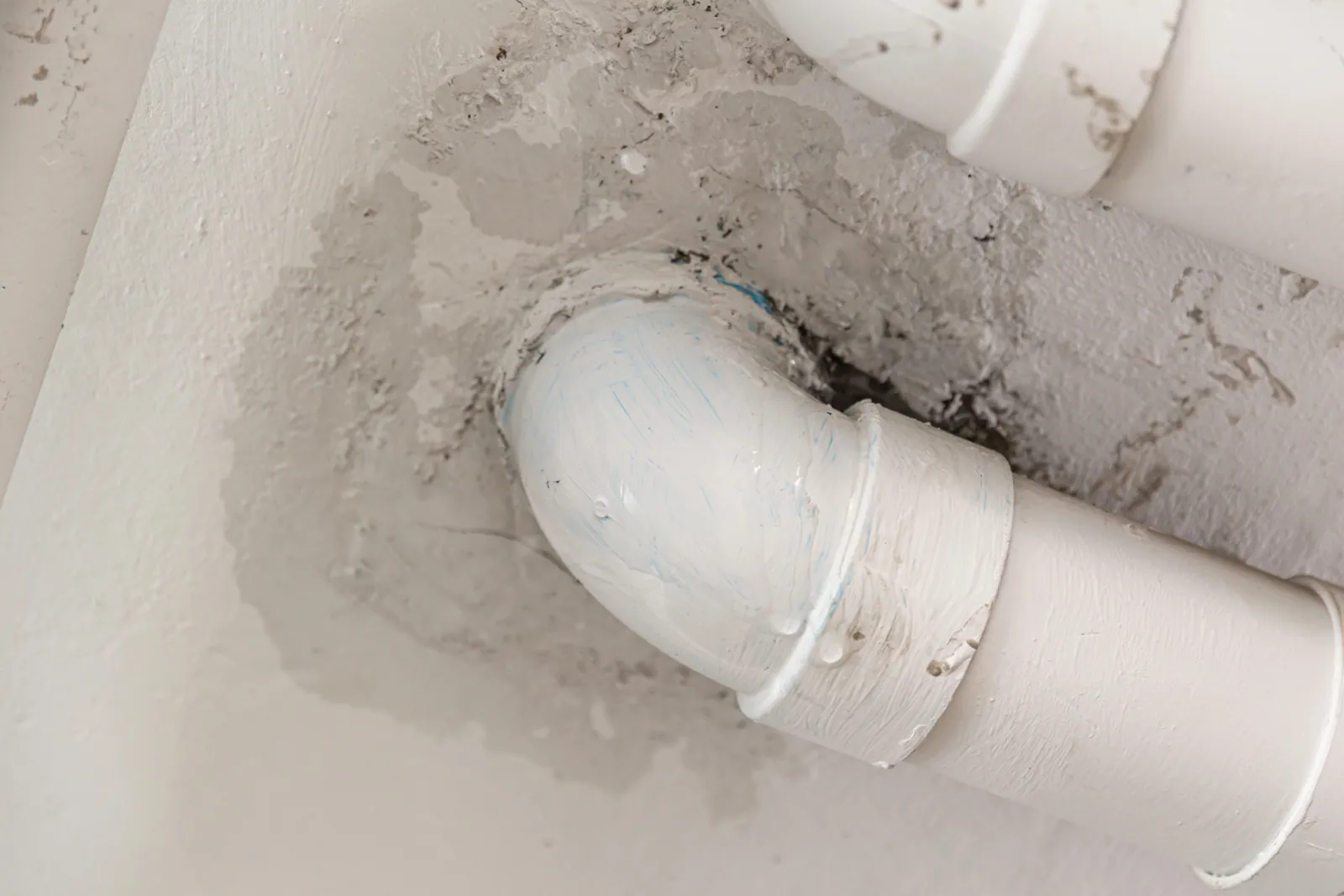
Water can penetrate flooring, cabinetry, plasterboard and other materials. Over time, this may contribute to staining, deterioration, mould growth and other problems.
Signs that a leak may already be affecting the property include:
- Damp or discoloured walls
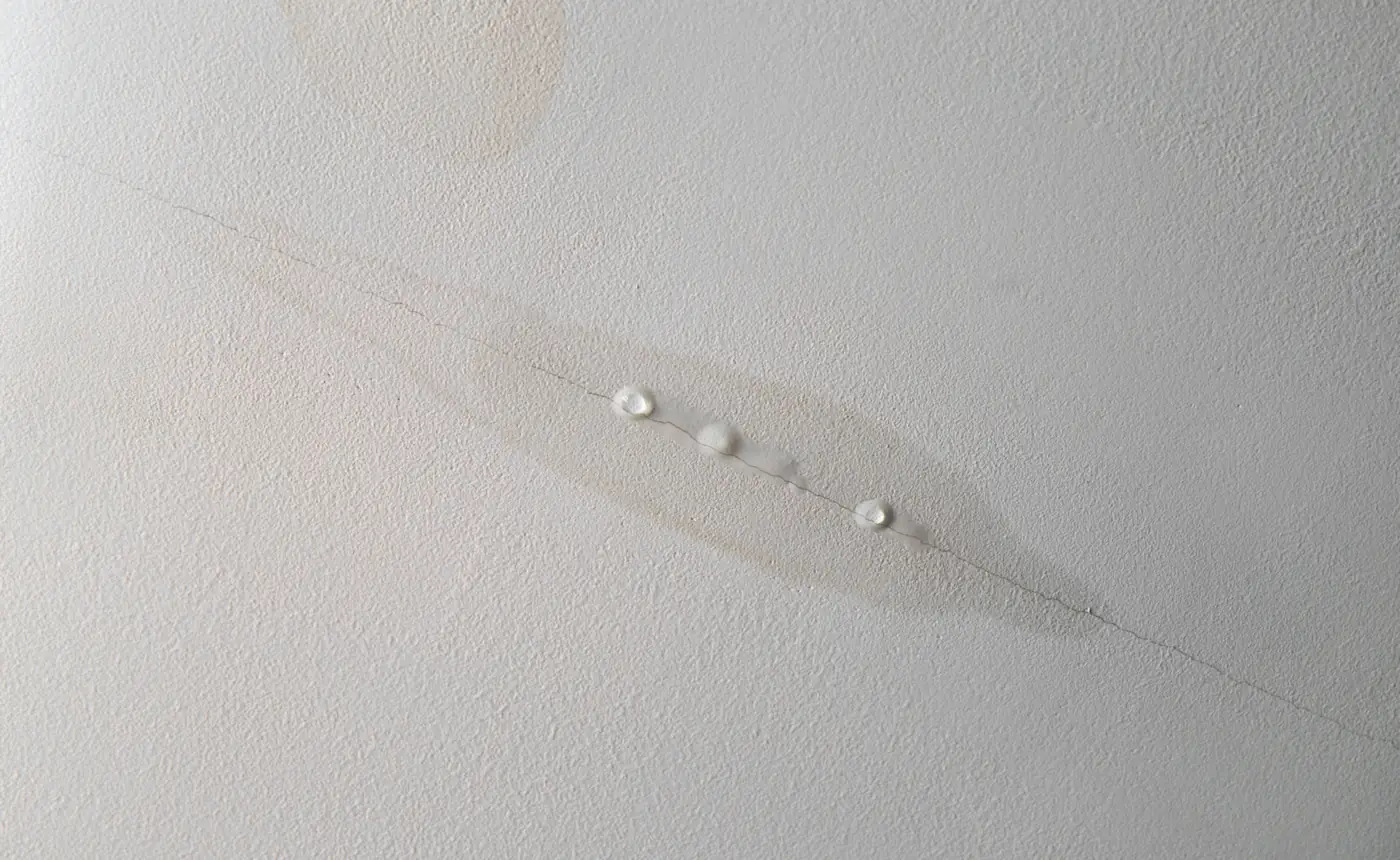
- Water stains on ceilings
- Bubbling or peeling paint
- Swollen cabinetry
- Damp flooring
- Musty smells
- Persistent moisture around plumbing fixtures
If these signs appear without an obvious source, professional leak detection may be required.
4. Hidden Water Leaks Can Be Difficult to Find
Not all leaks are visible.
A pipe behind a wall, beneath a floor or in another concealed area can leak without producing an obvious puddle.
Instead, you may notice unexplained dampness, unusual plumbing sounds, mould, water staining or an unexpected increase in water usage.
Finding the source early is important because continuing water loss can cause damage even when the leak itself cannot be seen.
Professional leak detection can help identify concealed plumbing problems while reducing the need for unnecessary disturbance to surrounding areas.
5. An Unexpected Increase in Water Usage Can Be a Warning Sign
A sudden increase in your water bill or water usage may indicate a leak.
This can happen when water is escaping continuously from a damaged pipe, leaking fixture or concealed plumbing system.
If your normal water usage has not changed but your bill has increased unexpectedly, it is worth investigating.
A leak does not always produce an obvious sound or visible puddle, particularly when it is located underground or behind a wall.
6. Don't Ignore a Dripping Tap
A dripping tap may not normally be considered an emergency, but it should still be repaired.
A persistent drip can waste water and may indicate worn components or another plumbing issue.
Similarly, leaking toilets, shower fittings, valves and connections should not simply be left because the amount of water appears small.
Addressing minor plumbing problems early can help prevent them from developing into more disruptive issues.
7. Water Coming Through a Ceiling Requires Prompt Attention
Water appearing through a ceiling can indicate a leak from plumbing, a bathroom, an upstairs area or another part of the property.
The visible water may not be directly below the actual source.
If a ceiling is becoming wet, stained, swollen or visibly damaged, avoid placing yourself at risk by investigating an unsafe area.
The underlying plumbing issue should be assessed promptly, particularly if water continues to enter the property.
8. Drainage Problems Can Also Cause Water Damage
Not all water-related problems are caused by supply pipes.
Blocked or damaged drains can cause wastewater or stormwater to back up and enter areas where it should not be.
Warning signs can include slow drainage, recurring blockages, unpleasant smells, gurgling sounds and water backing up from fixtures.
If wastewater is overflowing or backing up into the property, prompt professional attention is important.
Elite Line Plumbing provides drainage services, including blocked drain solutions, high-pressure drain cleaning and CCTV drain inspections to help identify problems within drainage systems.
9. What Should You Do When You Discover a Leak?
The first priority is to minimise the amount of water escaping, provided it is safe to do so.
Depending on the situation, this may involve turning off the isolation valve for the affected fixture or shutting off the property's main water supply.
Move valuable belongings away from the affected area if this can be done safely.
If water is near electrical equipment, avoid entering the affected area or handling electrical equipment if doing so could put you at risk.
Once the immediate situation is controlled, arrange for a licensed plumber to investigate and repair the underlying problem.
10. When Should You Call a Plumber?
You should contact a plumber when:
- A leak cannot be stopped
- A pipe has burst
- Water is causing property damage
- You have an unexplained increase in water usage
- There is evidence of a concealed leak
- Water is appearing from walls or ceilings
- A fixture continues to leak after basic adjustments
- A drain is repeatedly blocking
- Wastewater is backing up
- The source of the leak is unknown
Early professional attention can help identify the cause and prevent a relatively small plumbing problem from becoming more complicated.
How Elite Line Plumbing Can Help
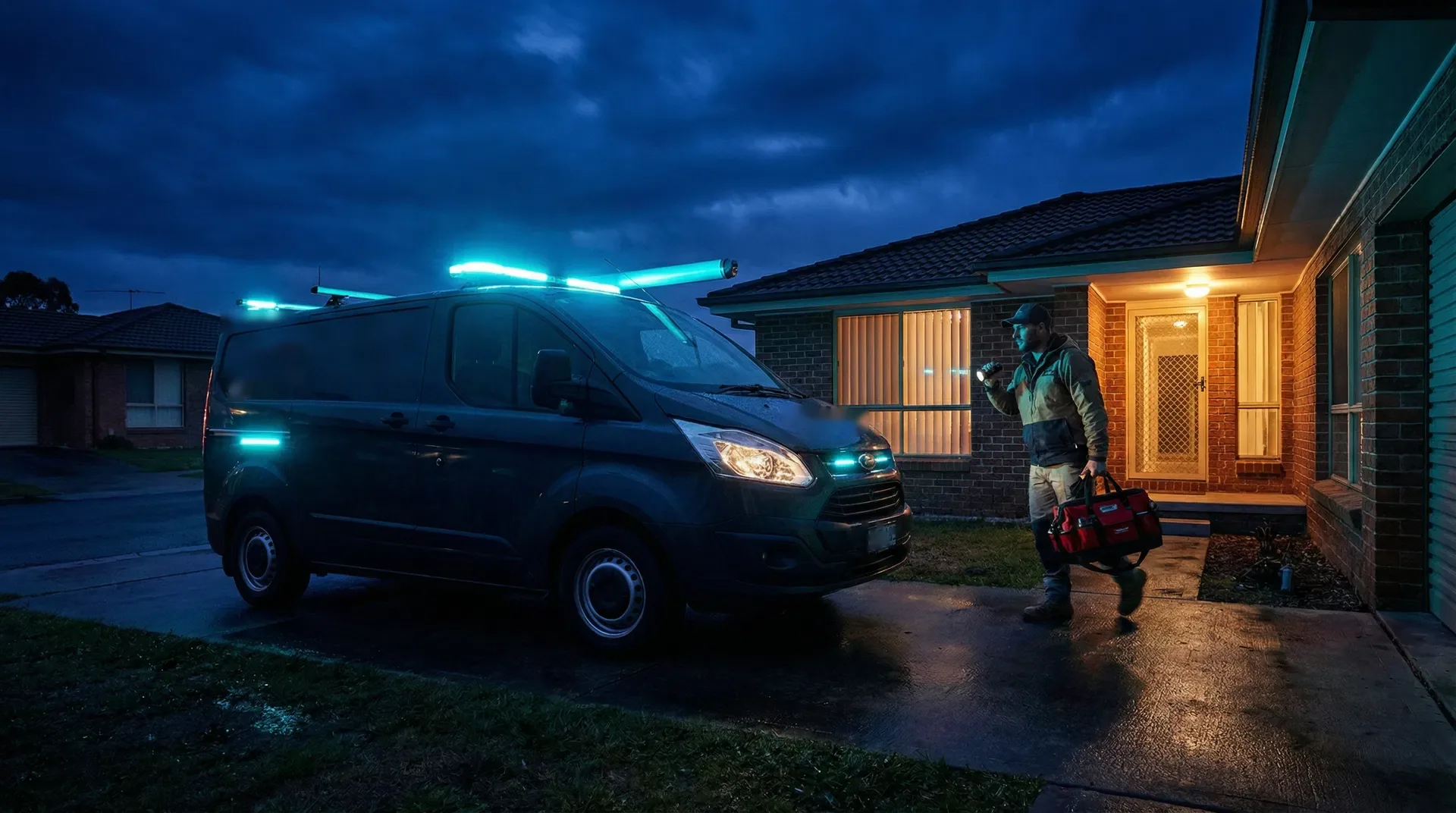
Elite Line Plumbing provides plumbing services across Western Sydney and surrounding areas, including emergency plumbing, drainage and blocked drain services, hot water, gas fitting, bathroom, kitchen and laundry plumbing, maintenance and repairs.
For suspected leaks, professional assessment can help determine where the water is coming from and what needs to be repaired.
For concealed leaks, appropriate leak detection methods can help locate the problem without unnecessarily disturbing surrounding areas.
Where drainage is involved, services such as CCTV drain inspections and high-pressure drain cleaning can help identify and address problems within the drainage system.
The important thing is not to wait for a minor leak to become a major plumbing problem.
Final Thoughts
A water leak does not always require emergency assistance, but certain warning signs should never be ignored.
Rapidly flowing water, burst pipes, flooding, water near electrical equipment, significant property damage and concealed leaks all warrant prompt attention.
Even smaller problems, such as dripping taps or recurring drainage issues, should be addressed rather than allowed to continue.
If you are unsure whether a leak is serious, a professional plumber can assess the situation and determine the appropriate solution.
Acting early can help minimise water loss, reduce property damage and prevent a plumbing issue from becoming more difficult to repair.
Frequently asked questions
How do I know if a water leak is an emergency?
A water leak may require immediate attention if it is rapidly worsening, causing significant flooding or property damage, cannot be controlled, is near electrical equipment or involves a burst pipe or contaminated water.
Should I turn off my water if I have a leak?
If it is safe to do so, you can turn off the isolation valve for the affected fixture or the main water supply. This can help limit the amount of water escaping while you arrange professional assistance.
Can a small water leak cause serious damage?
Yes. A small leak can cause damage if it continues for an extended period, particularly when water reaches cabinets, flooring, walls or other building materials.
What are the signs of a hidden water leak?
Signs can include unexplained dampness, water stains, mould, musty smells, bubbling or peeling paint, unusual plumbing sounds and an unexplained increase in water usage.
Can a leaking pipe increase my water bill?
Yes. A leaking pipe can waste water continuously, potentially contributing to higher water usage and increased water bills.
Is water near an electrical outlet dangerous?
Yes. Water near electrical equipment can create a serious safety hazard. Avoid entering the affected area or handling electrical equipment if doing so could put you at risk.
How quickly should a burst pipe be repaired?
A burst pipe should be addressed as soon as possible because a large volume of water can escape quickly and cause extensive property damage.
Can a plumber find a leak behind a wall?
A plumber can assess the plumbing system and use appropriate leak detection methods to help identify the source of a concealed leak without unnecessarily disturbing surrounding areas.
Should I ignore a dripping tap?
No. While a minor dripping tap may not constitute an emergency, it should still be repaired. A persistent drip wastes water and may indicate worn or damaged plumbing components.
When should I call a plumber for a water leak?
You should call a plumber when a leak is worsening, cannot be controlled, is causing property damage, appears to be hidden or presents a potential safety concern. Prompt attention can help prevent the problem from becoming more serious.